
U.S. Travel rules 2026
Learn the US travel rules for 2026, including ESTA requirements, REAL ID enforcement, biometric airport screening, digital customs with CBP One, and updated security procedures.
USA TRAVELESTABIOMETRICREAL ID
12/12/20253 min read
US Travel Rules in 2026 Explained: ESTA, REAL ID, Biometrics, and Customs Updates
Traveling to or from the United States in 2026 comes with important changes that every traveler needs to understand before booking a flight. US travel rules have become more digital, more automated, and more strictly enforced, affecting international arrivals, domestic connections, and departures alike.
This guide explains the most critical US travel updates for 2026, including ESTA requirements, REAL ID enforcement, biometric airport screening, digital customs declarations, and updated security procedures. Understanding these rules ahead of time can prevent delays, denied boarding, or unexpected issues at the airport.
ESTA Requirements for Travel to the United States in 2026
The Electronic System for Travel Authorization, known as ESTA, is now fully enforced for travelers from visa waiver countries entering the United States. While ESTA has existed for years, processing in 2026 is more stringent and approvals are no longer guaranteed at the last minute.
Travelers must apply for ESTA at least 72 hours before departure, and applying earlier is strongly recommended. Airlines are required to verify ESTA approval before boarding, and travelers without valid authorization may be denied boarding entirely.
ESTA approval does not guarantee entry into the United States, but it is mandatory for boarding flights under the visa waiver program. Travelers should ensure their passport information matches exactly and remains valid for the duration of their stay.
Biometric Screening at US Airports
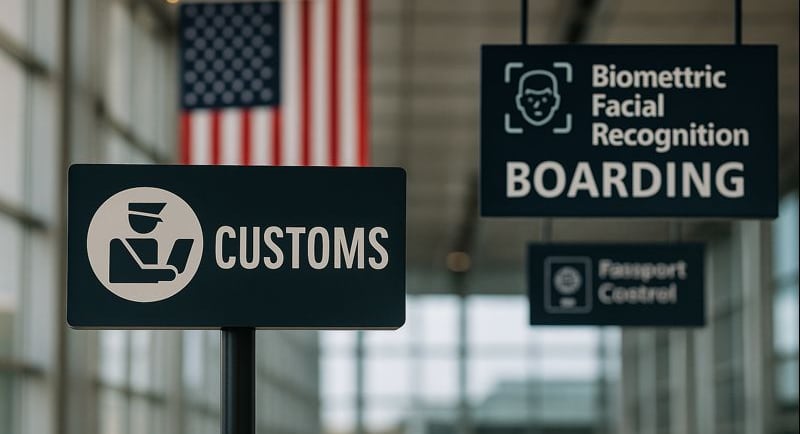
Biometric facial recognition screening is now standard at most major US international airports. Instead of traditional passport stamping, travelers are verified using facial recognition technology that matches their live image to passport or visa records.
This system applies to both entry and exit, allowing US Customs and Border Protection to track departures more accurately. Travelers are required to remove hats, glasses, and face coverings during screening to ensure proper verification.
Biometric screening is designed to reduce wait times and increase security, but travelers should be aware that participation is mandatory at most ports of entry in 2026.
REAL ID Requirements for Domestic Flights
The REAL ID Act is now fully enforced nationwide. All travelers flying domestically within the United States must present a REAL ID compliant driver’s license or an acceptable alternative such as a passport.
Non compliant state licenses are no longer accepted for domestic flights. Travelers who have not upgraded their identification risk being denied access to airport security checkpoints.
REAL ID compliance is required even for short domestic connections when traveling internationally. Travelers should verify their identification well before departure, as DMV wait times remain long in many states.
Digital Customs Declarations Using CBP One
Paper customs forms are now largely obsolete. The CBP One mobile app is the primary method for submitting customs declarations when entering the United States.
Travelers can complete their declaration electronically before landing, significantly reducing processing time at customs checkpoints. The app allows users to submit travel information, declare goods, and receive confirmation digitally.
Using CBP One is strongly recommended for faster entry and smoother processing at US airports in 2026.
Health and Entry Requirements
While pandemic era restrictions have largely eased, travelers are still responsible for checking destination specific health and entry requirements. Some countries and airlines may require health declarations or proof of standard vaccinations.
Entry requirements can change with little notice, making it essential to check official government and airline sources close to departure. Travelers should not rely on outdated information when planning international travel.
Electronic Device Screening at US Airports
US airport security has increased scrutiny of electronic devices. Travelers may be asked to power on laptops, tablets, and phones to demonstrate functionality.
Devices that cannot be powered on may be confiscated or cause significant delays. Travelers should ensure all electronics are fully charged before arriving at the airport, especially for international flights.
How to Prepare for US Travel in 2026
To avoid issues when traveling to or from the United States in 2026, travelers should apply for ESTA early, carry REAL ID compliant identification, expect biometric screening, use the CBP One app for customs, and keep electronic devices charged.
US travel rules are increasingly automated and compliance driven. Planning ahead and staying informed is the key to a smooth, stress free travel experience.
At Wyta, we track these changes closely because they directly impact real travelers every day. Understanding the rules before you fly can make the difference between a seamless journey and a missed flight.
Explore
Curated luxury travel experiences around the globe.
Journey
Adventure
+1 646 980-4904
© 2026. All rights reserved.